
Pressure Washing Cooler In Stores
- Home
- /
- Pressure Washing Cooler In Stores
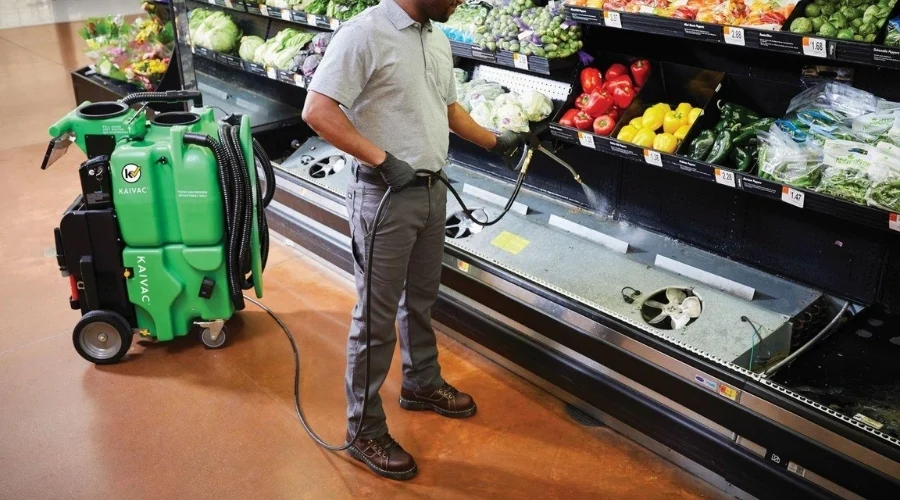
Cleaner Coolers, Better Presentation
Store coolers deal with spills, dust, food residue, sticky buildup, and everyday grime. Over time, these marks can make even a well maintained store look neglected. Professional pressure washing removes stubborn surface dirt from cooler exteriors, helping your equipment look cleaner and more presentable throughout the store.
A cleaner cooler also creates a better impression when customers shop around it. With the right cleaning approach, you can maintain a more hygienic looking retail space without making cooler cleaning another task for your store team.
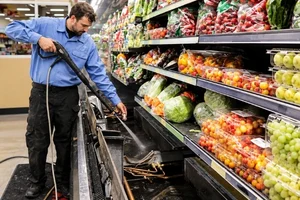
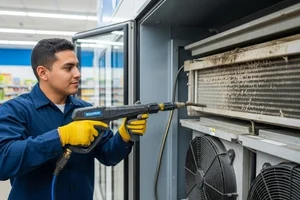
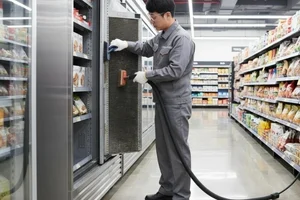
Built For Store Coolers
- Removes stubborn surface grime
- Cleans sticky residue
- Targets visible dirt buildup
- Refreshes cooler exteriors
- Improves store presentation
- Cleans hard to reach areas
- Removes tracked in debris
- Helps maintain cleaner surfaces
- Supports regular store upkeep
- Handles frequent cleaning needs
- Keeps equipment looking presentable
- Fits retail cleaning routines
Coolers need regular attention because they sit in areas customers see and use every day. Professional pressure washing helps remove the buildup that routine wiping may leave behind, giving these high visibility surfaces a cleaner and more maintained appearance.
Tackle Stubborn Buildup
Cooler surfaces can collect layers of dirt that become difficult to remove with basic cleaning methods. Pressure washing provides stronger surface cleaning for areas affected by dried spills, grime, and residue, helping restore a cleaner appearance without relying on repeated scrubbing.
Keep Retail Areas Presentable
Customers notice the condition of equipment around them while shopping. Clean looking coolers contribute to a more cared for retail environment, particularly around busy food and beverage sections where surfaces can become dirty quickly.
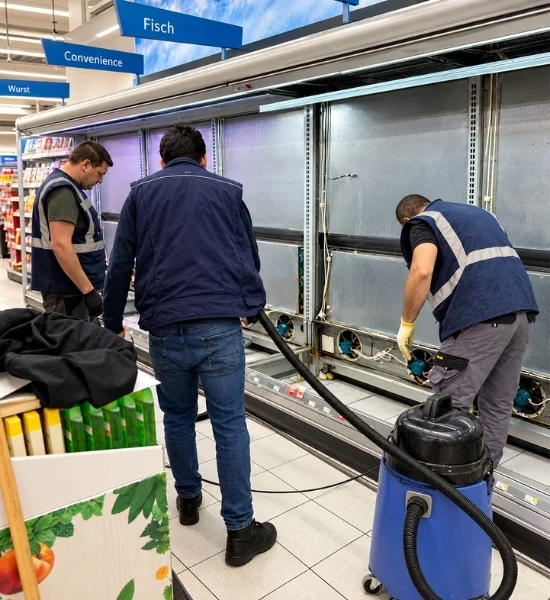
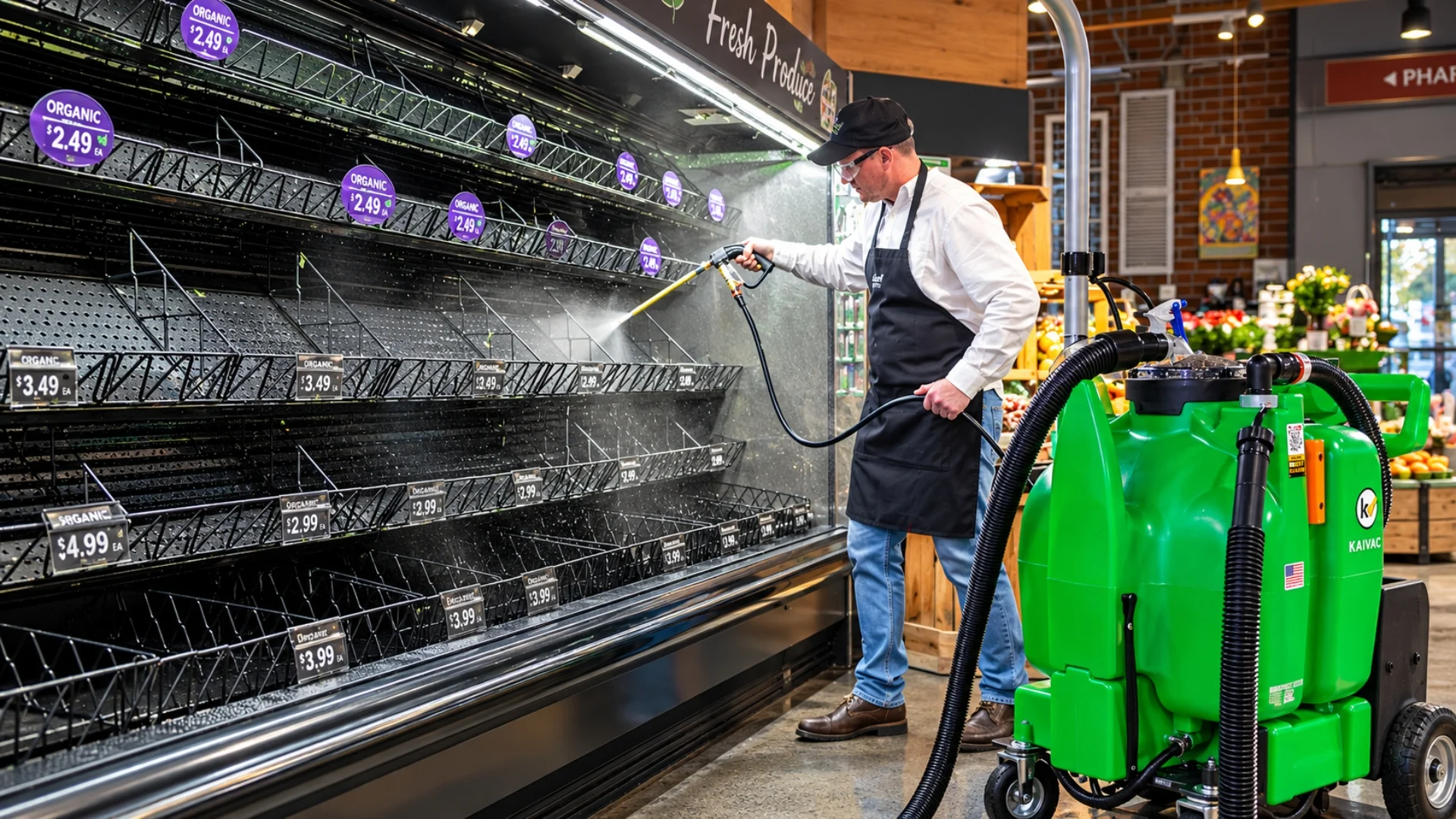
Reach Difficult Cooler Areas
Some cooler surfaces and surrounding areas are awkward to clean by hand. Professional equipment can help reach difficult sections where dirt collects, making it easier to maintain a consistently cleaner appearance across the visible cooler area.
Support Regular Maintenance
Cooler cleaning works best when it becomes part of a regular maintenance routine. Scheduled pressure washing can help prevent heavy buildup from becoming a recurring eyesore, keeping surfaces easier to maintain between professional cleaning visits.
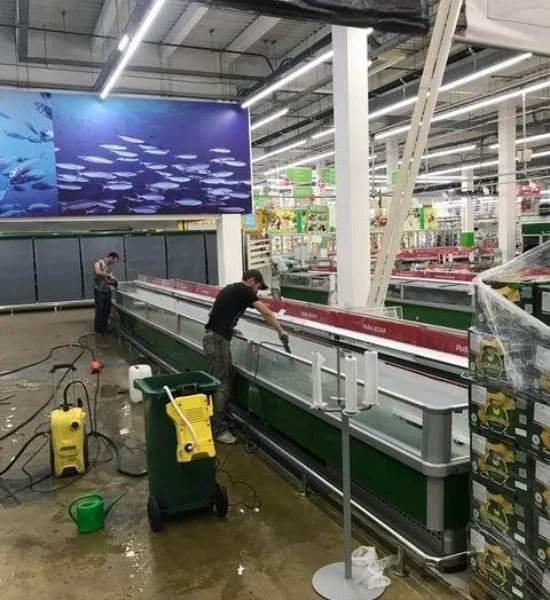
Clean Around Busy Operations
Retail stores cannot always pause normal activity for long cleaning jobs. Cooler cleaning can be planned around your store’s operating needs, helping maintain important areas while keeping disruption to everyday customer activity as limited as possible.
Protect Your Store Image
Clean equipment supports the overall appearance of your store. When coolers look neglected, they can affect how customers perceive the surrounding area. Regular professional cleaning helps keep visible equipment aligned with the clean presentation your store works to maintain.
Frequently Asked Questions
The ideal schedule depends on foot traffic, cooler usage, spills, and the amount of buildup around the equipment.
Yes, pressure washing can help remove many types of surface residue and buildup from suitable cooler surfaces.
Cleaning can often be scheduled around store activity to reduce disruption to customers and staff.
This service is primarily focused on suitable exterior surfaces unless interior cleaning is specifically arranged.
It can help remove many visible stains and residues from appropriate washable surfaces.
Suitable cooler doors and exterior surfaces can be included based on the cleaning requirements.
Yes, surrounding areas that are suitable for pressure washing can also be addressed during the service.
The cleaning method and pressure should be selected according to the surface material and equipment requirements.
Yes, recurring cleaning can help stores maintain cleaner and more presentable cooler areas throughout the year.
Different cooler materials require different cleaning approaches, so the surface and equipment should be assessed before cleaning.